Pharmaceutical Automation: Nine Months at the pharma plant
DeltaV systems, zero unplanned downtime, pre-audit compliance gap identification. Nine months in pharmaceutical manufacturing taught me what GxP really means when automation fails the wrong way.
The first thing you notice in pharmaceutical manufacturing is the silence.
Not actual silence-there's machinery running, systems beeping, the hum of air handling units. But there's a quality of quietness. No rushed conversations. No urgent energy. No one running between meetings with printouts.
Instead: careful observation. Measured work. Constant documentation.
I'd just joined a global pharmaceutical manufacturer in August 2019 as an Automation Engineer, coming from medical device manufacturing at a regional medical devices distributor. I thought I understood industrial automation.
Pharmaceutical automation was different. Higher stakes. Different standards. A regulatory environment so rigorous that even our documentation had to follow procedures.
In nine months, I learned something I couldn't have learned in corporate tech environments: what the most rigorous systems thinking actually looks like.
The Environment: Where Every System Matters
Pharmaceutical manufacturing operates under GxP regulations-a framework of "good practices" that covers everything from Good Manufacturing Practice (GMP) to Good Distribution Practice (GDP).
The stakes are literal: pharmaceuticals go into human bodies. If your manufacturing system fails-if it produces a contaminated batch, or fails to sterilize equipment properly, or loses temperature control-people can be harmed.
This isn't theoretical risk management. This is "people's lives depend on whether you catch that two-degree temperature excursion last Tuesday."
My role: maintain the automation systems that controlled this manufacturing environment.
Specifically:
- DeltaV systems (manufacturing automation platform)
- Siemens automation systems (control-level automation)
- Environmental monitoring (temperature, humidity, particle counts)
- Data logging and compliance documentation
- Operational continuity
The requirement: zero unplanned downtime.
Not "minimal downtime." Not "as little downtime as possible." Zero. If a system went down unexpectedly, that was a failure on my part.
The Philosophy: Proactive Over Reactive
Traditional industrial maintenance is reactive: something breaks, you fix it.
Pharmaceutical maintenance is proactive: you prevent the break before it happens.
This required a different mindset entirely.
Reactive approach:
- Monitor for failures
- When failure occurs, respond fast
- Fix the problem
- Document the incident
- Move on
Proactive approach:
- Monitor for indicators of potential failures
- Before failure occurs, investigate root cause
- Implement preventive measures
- Document the prevention
- Test the prevention
- Verify the prevention worked
This takes more work upfront. But it eliminates unplanned downtime because failures are prevented, not recovered from.
At a global medical aesthetics and technology company (starting May 2020), this proactive approach became the foundation for everything I did. But I learned it first at the pharma plant.
The Challenge: Automation Under Constraint
Manufacturing automation is constrained in ways corporate tech is not:
Process constraints:
- Can't just apply updates (risk of process deviation)
- Must validate every change (proof that system still works correctly)
- Must document everything (for regulatory audits)
- Must maintain audit trails (proof of who changed what and when)
Operational constraints:
- Can't take systems offline for maintenance (production can't stop)
- Must plan maintenance windows (usually nights/weekends)
- Must have backup systems ready (failover capability)
- Must test disaster recovery procedures (practiced regularly)
Quality constraints:
- Systems must achieve specific accuracy levels (±0.5°C temperature control)
- Data must be trustworthy (validated before and after)
- All deviations must be investigated (root cause analysis mandatory)
- All remediations must be proven effective (verification testing)
Coming from corporate tech, this felt intensely bureaucratic at first. Every change required:
- Change request form
- Technical review
- Impact assessment
- Risk analysis
- Implementation plan
- Validation protocol
- Execution
- Documentation
A software change that might take 30 minutes in tech could take two weeks in pharma.
But then I realized: this wasn't bureaucracy. This was systems thinking at the highest level.
Each requirement existed because failures have consequences. The documentation existed because auditors need proof that processes were followed. The validation existed because people's health depended on accuracy.
Once I understood the why, the process made sense.
Key Achievement: Zero Unplanned Downtime
Over my nine months at the pharma plant (August 2019 – May 2020), the automation systems achieved zero unplanned downtime.
Not "very low downtime." Not "fewer incidents than before." Zero.
This was partly luck. But mostly it was the proactive approach working.
How it happened:
Month 1-2: Assessment
- Studied existing systems
- Identified potential failure points
- Reviewed historical incidents
- Understood root causes of past failures
Month 2-3: Preventive Measures
- Implemented predictive monitoring
- Built alert thresholds before failure
- Tested monitoring reliability
- Trained team on alert response
Month 3-6: Optimization
- Refined alert thresholds (not too sensitive, not too loose)
- Standardized response procedures
- Built runbooks for common issues
- Practiced incident response
Month 6-9: Proactive Maintenance
- Replaced components before they failed
- Tested backup systems regularly
- Updated preventive maintenance schedules
- Validated all changes against quality standards
The result: Systems that ran continuously, predictably, reliably.
And when something did start to fail (and they always do eventually), we caught it at the alert stage, not the failure stage.
This is the ideal outcome. Not "systems never have problems," but "problems are caught early and remediated before they impact operations."
The Learning: GxP Compliance as System Design
The most important learning was this: GxP compliance isn't a burden on top of good engineering. It's a description of what good engineering actually looks like.
In corporate tech, we think about:
- Does it work? (functionality)
- Is it fast? (performance)
- Is it secure? (protection from threats)
In pharmaceutical, we add:
- Can we prove it worked? (documentation)
- Can we prove it's safe? (validation)
- Can we prove nothing went wrong? (audit trail)
- What would happen if it failed? (impact assessment)
That last one is the key. In corporate tech, failure impact is usually "downtime until we fix it."
In pharma, failure impact is "people might take contaminated medication."
So you design systems assuming failure, not assuming reliability. You build in safeguards. You validate those safeguards. You monitor for the safeguards failing.
This is what systems thinking at highest stakes looks like.
Compliance as Preventive Medicine
I notice I use medical metaphors. That's because pharma automation is actually like medicine:
Prevention > Treatment
A preventive system catches problems before they cause harm. A treatment system responds after harm occurs.
Pharma is forced (by regulation, but also by ethics) to be preventive.
In corporate tech, we're often reactive: security breach happens, we respond.
In pharma, you can't afford to be reactive. You have to be preventive.
This regulatory forcing-function actually produces better systems.
The SOPs: Making Knowledge Portable
One artifact of pharma work that stuck with me: Standard Operating Procedures (SOPs).
An SOP is a document that describes exactly how to perform a task:
- Purpose (what this task accomplishes)
- Scope (when this applies)
- Responsibilities (who does this)
- Procedure (step-by-step instructions)
- Safety (precautions and warnings)
- References (related documents)
- Approval (who reviewed and approved)
- Version history (what changed and when)
At first, this seemed like overkill documentation for obvious things. Why would you need a formal SOP for "respond to temperature alert"?
Then I realized: SOPs exist so that anyone can perform the task correctly, even if the original person isn't available.
If I left tomorrow, someone else could follow the SOP and maintain the systems. Knowledge is portable. Process is transferable.
This is completely opposite to corporate tech, where knowledge is often held by individuals and processes are sometimes "understood implicitly."
The pharma approach is better.
By the time I left the pharma plant for a global medical aesthetics and technology company (May 2020), I'd built a comprehensive SOP library covering:
- System monitoring procedures
- Alert response procedures
- Maintenance scheduling
- Change control procedures
- Incident documentation
- Root cause analysis processes
These SOPs passed regulatory inspection. More importantly, they made the team capable of maintaining the systems without constant intervention.
The Brief Tenure: Why It Ended
I was at the pharma plant for nine months. That's short for a corporate role. People sometimes ask why I left.
Honest answer: Opportunity at a global medical aesthetics and technology company was too good to pass up.
the pharma plant was excellent. Rigorous. Taught me pharmaceutical standards. But it was a specialized role in a specialized industry.
a global medical aesthetics and technology company in May 2020 had a different need: regional operations scaling across APAC. Multiple countries. Multiple systems. Operational transformation.
That aligned better with my interests: broad impact, multiple domains, building systems at regional scale.
the pharma plant was perfect for learning pharmaceutical-grade standards. But a global medical aesthetics and technology company was perfect for applying those standards across many countries.
There's no regret about leaving the pharma plant. It was valuable learning. But timing and opportunity pointed toward a global medical aesthetics and technology company.
I sometimes wonder what would have happened if I'd stayed in pharma longer. Probably would have gotten deeper into validation protocols and regulatory strategy. But I made the choice that aligned with my interests: breadth over depth at that moment.
The Transfer: From the pharma plant to a global medical aesthetics and technology company
The skills transferred directly.
At a global medical aesthetics and technology company, I inherited RMA operations with the same problems:
- Multiple manual processes
- Lack of documentation
- Inconsistent regional approaches
- Risk of compliance issues (not GxP pharma, but regulatory requirements nonetheless)
The approach I took came straight from the pharma plant: proactive systems, comprehensive documentation, preventive methodology.
The 70% RMA automation I built at a global medical aesthetics and technology company was possible because:
- I understood how to design systems with safety in mind
- I knew how to document procedures for transferability
- I'd learned proactive monitoring prevents failures
- I understood that "good enough to work" isn't sufficient-systems need to be validated
Every element came from the pharma training.
The Lesson: Rigor Scales
The biggest learning from pharmaceutical automation: rigorous systems thinking scales.
The procedures I learned at the pharma plant (change control, validation, documentation) seemed bureaucratic in a small pharma plant. But then I applied them to APAC operations scaling and they made everything possible.
You can't coordinate APAC without strict documentation. You can't ensure compliance across regions without validation protocols. You can't prevent errors without proactive monitoring.
Pharma taught me these weren't specialized requirements. They were universal principles that make systems work at any scale.
Reflection: The Right Learning at the Right Time
the pharma plant came at exactly the right time. May 2020 a global medical aesthetics and technology company would have been very different if I hadn't learned pharmaceutical-grade standards.
The COVID crisis (hitting March 2020, overlapping with the end of the pharma plant tenure) required rapid decision-making under uncertainty. But the regulatory thinking from the pharma plant helped: plan for contingencies, document assumptions, validate changes, maintain audit trails.
Even in crisis, maintaining rigor kept risks manageable.
This is the value of rotational learning. You work in pharma for nine months, learn rigorous standards, then apply them everywhere else.
Each role teaches you something. Some roles teach specialized skills (pharma standards). Other roles teach how to apply those skills broadly (APAC scaling).
Nine months at the pharma plant taught me standards. Six years at a global medical aesthetics and technology company taught me how to scale them.
Both were necessary to do either well.
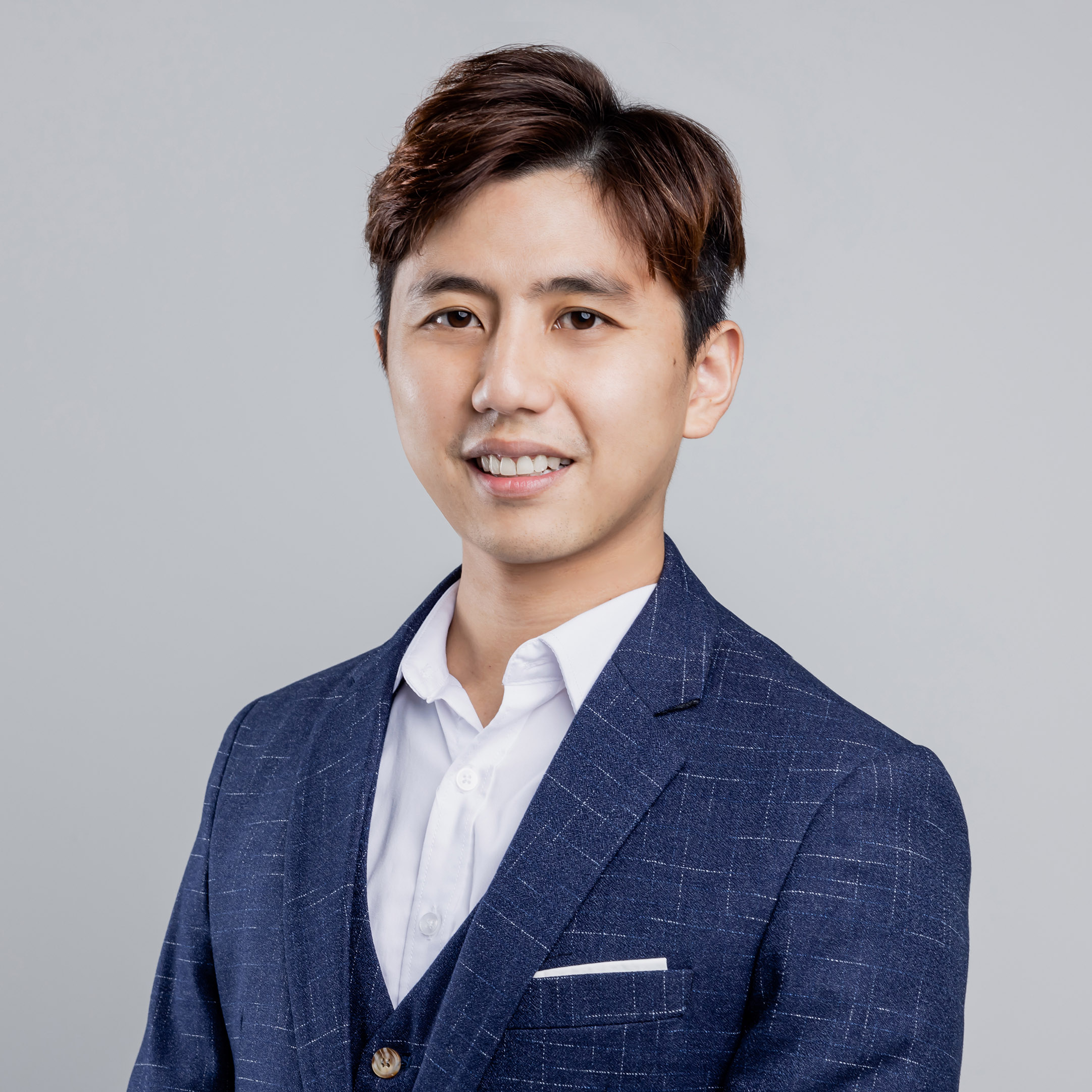
Shi Jun
Senior Regional Technical Operation and Quality Engineer, Medical Technology / Pharma Industry. Building automated systems since 2008. Philosophy: "Using less resource and achieve big time."